Leopard Brush Strokes: A Practical Guide to Evaluating Digital Paint Elements
When selecting digital assets for custom apparel or craft projects, the choice of texture and pattern often dictates the final aesthetic. Leopard brush strokes have emerged as a versatile option for designers seeking to add movement and organic flair to their work. Unlike static geometric patterns, these elements mimic the fluidity of hand-painted art, offering a dynamic layer that can elevate simple designs into more complex compositions. This guide explores the characteristics of leopard brush strokes, compares them with alternative styles like brown leopard plaid glitter, and helps you determine if this specific resource fits your project requirements.
Understanding the Distinctive Nature of Leopard Brush Strokes
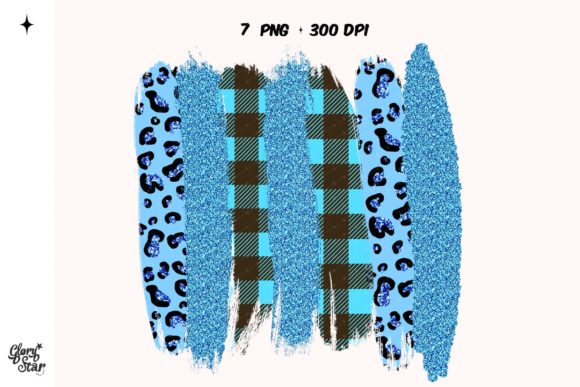
At their core, leopard brush strokes are digital paint elements designed to replicate the look of an artist's hand moving across a canvas. They capture the irregularity and spontaneity of traditional media while providing the precision and scalability of vector or high-resolution raster graphics. The primary distinction of these strokes lies in their asymmetry. While standard leopard print patterns rely on repeating tiles that can appear rigid when scaled, brush strokes introduce variation in thickness, opacity, and direction.
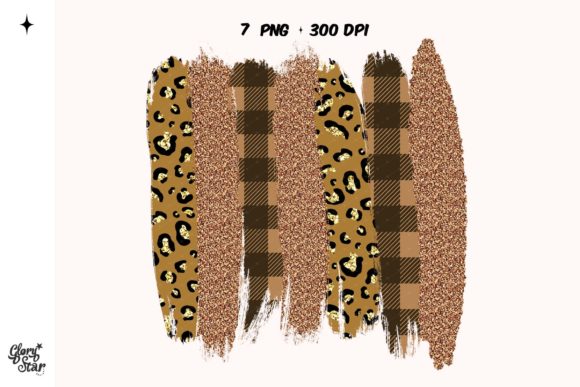
This specific set includes both classic leopard tones and variations such as brown leopard plaid glitter. The inclusion of glitter effects adds a dimension of luxury and depth that flat colors cannot achieve. When rendered at 300dpi with a transparent background, these PNG files allow for seamless integration into various design software. The transparency is crucial; it ensures that the brush stroke sits atop your existing artwork without obscuring underlying details, allowing for layering techniques that create visual interest.
The "glow up" effect mentioned in product descriptions refers to the ability of these textured elements to catch the eye. In a crowded marketplace of digital designs, a subtle gradient or a solid block of color may not stand out. However, a strategically placed brush stroke with a glitter finish introduces light reflection and texture, drawing attention to key areas of a design. This makes them particularly effective for highlighting logos, framing text, or adding accents to apparel.
Comparing Formats: Solid Patterns vs. Glitter Textures
Designers often face a choice between using solid, repeating animal print patterns and utilizing isolated brush stroke elements. Understanding the tradeoffs between these formats is essential for making an informed decision. Solid patterns are excellent for covering large surface areas, such as the entire front of a hoodie or the body of a tumbler. They provide consistency but can lack focal points if not carefully managed.
In contrast, leopard brush strokes function as accent pieces. They are best used to break up negative space or to frame other design elements. For instance, a simple monogram on a hat might feel incomplete on its own. Adding a brown leopard plaid glitter brush stroke behind the letters creates a sense of depth and hierarchy. The glitter variant specifically offers a premium feel that solid matte prints do not convey. If your goal is to suggest luxury or high-end fashion, the textured glitter approach is often superior to a flat print.
However, there are limitations to consider. Because brush strokes are directional, they require more careful placement than a seamless tile. A misplaced stroke can disrupt the flow of a design, whereas a tiled pattern is generally more forgiving regarding alignment. Additionally, the complexity of glitter textures can sometimes reduce file clarity if resized too small. It is important to evaluate the scale of your project; intricate glitter details may lose definition on very small items like coasters but shine on larger canvases like tote bags or banners.
Evaluating Technical Specifications and Compatibility
The technical quality of digital assets is a critical factor in professional design workflows. The standard for print-ready materials is typically 300dpi (dots per inch). This resolution ensures that when the image is printed, the edges remain sharp and the texture does not appear pixelated. The provided ZIP folder containing high-resolution PNG files meets this standard, making them suitable for commercial printing services.
Compatibility is another key consideration. Since these elements are saved as PNGs with transparent backgrounds, they are universally compatible with most graphic design software, including Adobe Photoshop, Illustrator, Canva, and Cricut Design Space. This versatility allows users to integrate the brushes into their existing workflows without needing specialized plugins or converters. Whether you are a hobbyist using free online tools or a professional utilizing industry-standard suites, the format remains consistent.
It is also worth noting the variability of color representation across different devices. Computer monitors vary significantly in how they display color profiles. A rich brown tone viewed on a calibrated designer monitor may appear darker or lighter on a standard laptop screen. Similarly, the intensity of the glitter effect might differ depending on the brightness settings of your device. To mitigate this, it is advisable to view the files on multiple screens or request physical proofs from your printer before committing to a large production run. Understanding that digital previews are approximations helps manage expectations regarding the final physical product.
Best Use Cases for DIY and Commercial Projects
The versatility of leopard brush strokes extends across a wide range of applications. For DIY enthusiasts, these elements simplify the process of creating professional-looking crafts. On apparel items like T-shirts, hoodies, and hats, the strokes can be used to create a distressed look or to add a modern twist to vintage-style designs. The organic nature of the brush marks complements the fabric texture, making the design feel integrated rather than pasted on.
For drinkware such as mugs and tumblers, the curved surface presents unique challenges. Brush strokes are advantageous here because their linear nature can follow the curvature of the object more naturally than a square-based pattern. A diagonal sweep of brown leopard plaid glitter can wrap around a tumbler elegantly, guiding the viewer's eye along the shape of the container.
Beyond merchandise, these elements are highly effective for stationery and paper goods. Greeting cards, invitations, and scrapbook layouts benefit from the artistic touch of hand-painted strokes. The glitter variant adds a celebratory element perfect for special occasions. Furthermore, these assets can be combined with other digital resources. You can freely use the brushes as individuals to create a collage effect or group them as a set to form a cohesive border. This flexibility allows for experimentation without the risk of wasting physical materials.
Decision Factors: When to Choose Brush Strokes Over Alternatives
Determining whether leopard brush strokes are the right choice depends largely on the desired outcome of your project. If your design requires a bold, all-over print that covers every inch of the substrate, a seamless leopard tile pattern is likely a better fit. Brush strokes excel when the goal is to add character, movement, or a specific point of interest without overwhelming the composition.
Consider the target audience and the brand identity you wish to convey. The combination of animal print and glitter leans towards a trendy, youthful, or luxury aesthetic. It may not be appropriate for minimalist or corporate branding where subtlety is preferred. In those scenarios, a simpler line art or solid color approach would be more effective. However, for fashion-forward brands, lifestyle products, or personal gifts, the visual impact of these strokes can significantly enhance appeal.
Cost and time efficiency are also practical factors. Creating custom brush strokes from scratch requires significant skill in digital painting and hours of labor. Utilizing a pre-made set allows you to bypass the creation phase and focus on layout and composition. This is particularly beneficial for small business owners who need to produce designs quickly to meet deadlines. By leveraging high-quality, ready-to-use assets, you can maintain a professional standard while optimizing your workflow.
Conclusion on Selecting the Right Digital Assets
Ultimately, the value of leopard brush strokes lies in their ability to bridge the gap between digital precision and artistic expression. They offer a distinct advantage over static patterns by introducing texture, movement, and a sense of luxury through elements like brown leopard plaid glitter. While they may not replace the need for full-coverage patterns in every scenario, they serve as powerful tools for accentuating designs and adding depth to various craft projects.
By evaluating your specific needs—whether it is the scale of the item, the desired aesthetic, or the technical constraints of your software—you can make an informed decision about incorporating these elements. The high resolution and transparent background ensure that the final output remains crisp and professional. As with any design resource, testing the assets in your specific environment and understanding how different monitors render color will help you achieve the best possible result. With careful application, these digital paint elements can indeed help your designs stand out in a competitive landscape.