Watercolor Pink Orchid Clipart: Creative Uses, Common Mistakes, and How to Choose Wisely
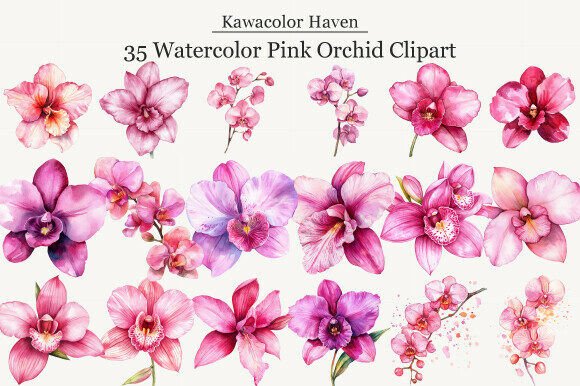
Watercolor Pink Orchid Clipart offers a soft, elegant visual element perfect for creative projects ranging from greeting cards to digital marketing materials. Its delicate hues and flowing lines make it a popular choice for those aiming to convey grace and warmth. Whether you're a small business owner designing custom merchandise or a hobbyist working on a personal scrapbook, this type of clipart can elevate your designs with minimal effort. However, like any design asset, it comes with considerations that can affect your final output if overlooked.
Understanding the Value of Watercolor Pink Orchid Clipart
High-quality Watercolor Pink Orchid Clipart typically features soft brush strokes, subtle gradients, and a transparent background, allowing for easy layering and integration into various design layouts. It’s especially favored for friendship-themed projects, invitations, and personalized gifts. Many digital artists and small business owners rely on such clipart to maintain visual consistency while saving time on original illustrations.
When sourced from a reputable creator, this clipart often includes multiple file formats, commercial use rights, and high-resolution output—making it versatile for both print and digital applications. However, not all clipart packages are created equal, and missteps in selection or application can lead to disappointing results.
1. Assuming All Clipart Is Print-Ready
Many buyers assume that any clipart labeled “high-quality” is suitable for printing. In reality, resolution and file type matter. For example, a PNG file at 300 DPI with a transparent background is ideal for print, while a low-resolution JPEG may look fine on screen but appear pixelated when printed.
Better approach: Always check the product description for resolution (300 DPI is standard for print), file format (PNG is preferred for transparency and clarity), and size (12×12 inches is a common print-friendly dimension).
2. Overlooking Licensing Details
Some clipart sets come with limited usage rights. A creator might assume they can use the Watercolor Pink Orchid Clipart on merchandise for sale, only to later discover the license restricts commercial use or requires attribution.
Better approach: Confirm that the clipart includes commercial use rights and understand any attribution requirements. Read the fine print before downloading or applying to products.
3. Not Previewing Files Before Purchase
While preview images may look beautiful, they often don’t show the actual file quality or how the clipart will appear when scaled. Some buyers end up with files that don’t match their project needs after purchase.
Better approach: Look for sellers who provide sample downloads or detailed previews. If none are available, reach out to the seller for clarification before committing to a purchase.
4. Using Clipart That Doesn’t Match the Project Style
The Watercolor Pink Orchid Clipart is inherently soft and flowing. Using it in a bold, modern layout can create visual dissonance. For instance, placing it on a minimalist tech-themed invitation might not align with the intended tone.
Better approach: Consider the overall aesthetic of your project. If your design leans toward clean lines and minimalism, opt for clipart that complements that style. Alternatively, blend the clipart with other design elements to create harmony.
What to Check Before Downloading or Buying
- File Format: PNG is ideal for transparency and clarity. JPEG may be acceptable for digital use but not recommended for print.
- Resolution: Ensure it’s at least 300 DPI for print projects. Lower resolution may be fine for digital use but not for physical products.
- Usage Rights: Confirm whether the license allows for commercial use and whether attribution is required.
- Size: A 12×12 inch size is standard for many print projects. Smaller files may not scale well for larger applications like fabric or wall art.
- Compatibility: Make sure the files work with your design software (e.g., Canva, Photoshop, Illustrator).
How to Use Watercolor Pink Orchid Clipart Effectively
When used thoughtfully, Watercolor Pink Orchid Clipart can enhance your creative output without requiring advanced design skills. Here are a few practical applications:
- Invitations: Use the clipart as a border or background accent for friendship-themed events.
- Stickers and Planner Inserts: The transparent background makes it easy to layer with other design elements in digital planners or printable sticker sheets.
- Custom Merchandise: Apply the clipart to mugs, phone cases, or fabric using print-on-demand platforms that support PNG files.
- Social Media Graphics: Incorporate the clipart into Instagram posts or Pinterest boards to maintain a cohesive aesthetic.
Final Thoughts
The Watercolor Pink Orchid Clipart is more than just a decorative element—it’s a versatile design tool that, when used correctly, can streamline your creative process and elevate your projects. By avoiding common pitfalls like incorrect file types, licensing misunderstandings, and mismatched styles, you’ll ensure your designs look polished and professional.
Always take a moment to review product details before purchasing, and don’t hesitate to reach out to the seller if anything is unclear. With the right clipart and a bit of planning, you can bring your creative ideas to life with confidence and ease.