Digital Washi Tape Blue Pink Floral: A Practical Evaluation for Designers and Crafters
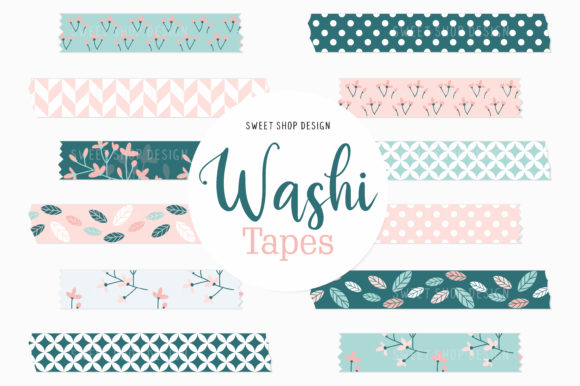
In the realm of digital scrapbooking and creative stationery, the choice of decorative elements often dictates the tone and cohesion of a final project. Among the myriad options available, Digital Washi Tape Blue Pink Floral has emerged as a specific aesthetic category that blends traditional Japanese paper tape aesthetics with modern digital utility. This resource typically presents as a collection of high-resolution graphics featuring soft blue and pink floral motifs, often accompanied by supporting patterns like polka dots and lattices. For designers, hobbyists, and small business owners aged 20 to 50, understanding the nuances of this specific style is essential for making informed decisions about project assets.
The appeal of Digital Washi Tape Blue Pink Floral lies in its versatility. Unlike physical washi tape, which is limited by roll length and adhesive properties, the digital version offers infinite repeatability without waste. However, it is not merely a matter of downloading an image; it requires an evaluation of how these specific color palettes and patterns integrate into broader design systems. The combination of blue and pink creates a balanced visual weight, suitable for gender-neutral projects or those aiming for a soft, romantic, yet structured look. When compared to other digital embellishments, such as solid ribbons or abstract vector shapes, the organic nature of the floral print adds a layer of texture that mimics real-world materials.
Defining the Distinctive Features of the Format
To utilize Digital Washi Tape Blue Pink Floral effectively, one must first understand its technical specifications. Most professional packs in this category are delivered in PNG format at 300 DPI (dots per inch). This resolution is critical because it ensures that when the graphics are printed on standard home printers or sent to professional offset presses, the edges remain crisp and the colors do not pixelate. A lower resolution might suffice for a blog header viewed on a screen, but for tangible items like hardcover journals, wedding invitations, or packaging, the 300 DPI standard is non-negotiable.
A key differentiator in high-quality packs is the absence of watermarks and drop shadows on the actual sheet. Many free or low-tier resources embed watermarks directly into the image or include artificial shadows that can be difficult to remove without advanced editing software. A clean file allows the designer to place the tape anywhere—over text, across photos, or as a border—without visual clutter. Furthermore, the inclusion of complementary patterns, such as floral polka dots and lattices, within the same pack provides a cohesive toolkit. This means a user does not need to hunt for separate assets to create a unified theme; the lattice pattern can serve as a background while the floral tape acts as a focal accent.
Comparing Digital Assets to Physical Alternatives
When evaluating whether to use Digital Washi Tape Blue Pink Floral versus purchasing physical rolls of tape, several tradeoffs become apparent. Physical washi tape offers tactile satisfaction and immediate usability for quick journal entries or gift wrapping. However, it comes with limitations regarding cost per foot, storage space, and the inability to edit the design once purchased. If a crafter needs exactly three inches of tape for a specific tag, cutting from a physical roll results in waste if the remaining strip is too short for future use.
In contrast, the digital format eliminates material waste entirely. A single download can be scaled down for a planner sticker or expanded for a large banner without degradation in quality. Additionally, the digital version allows for precise placement. In digital scrapbooking layouts, users can rotate, flip, or resize the Digital Washi Tape Blue Pink Floral graphics to fit irregular photo shapes perfectly. While physical tape adheres to surfaces, digital tape adheres to pixels, offering a flexibility that physical media cannot match. The primary limitation, of course, is the requirement for printing equipment or a purely digital workflow. For those who prefer screen-based designs like website banners or social media graphics, the digital asset is superior as it integrates seamlessly into design software like Photoshop, Canva, or Illustrator.
Evaluating Color Palettes and Stylistic Fit
The specific choice of blue and pink floral motifs carries significant stylistic implications. In color theory, blue represents calmness and stability, while pink evokes warmth and affection. When combined in a floral arrangement, these colors create a harmonious balance that avoids the overwhelming sweetness of all-pink designs or the coldness of monochromatic blue schemes. This makes Digital Washi Tape Blue Pink Floral particularly well-suited for life events such as birth announcements, baby showers, and weddings, where a gentle, celebratory atmosphere is desired.
However, this palette is not universally applicable. For corporate branding, industrial themes, or projects requiring bold, high-contrast visuals, this soft floral style may feel out of place. Designers should consider the context of their audience. If the target demographic expects a sleek, minimalist aesthetic, the intricate details of floral lattices and polka dots might introduce visual noise. Conversely, for handmade stationery, decoupage projects, or decorated furniture, the organic complexity of the floral design adds necessary character. It is also worth noting that the "blue" and "pink" shades vary between vendors; some may lean toward pastel tones, while others offer deeper, more saturated hues. Evaluating the specific hex codes or swatches before committing to a purchase is a prudent step for brand consistency.
Practical Applications and Use Case Scenarios
The versatility of this graphic pack extends far beyond simple decoration. In the context of digital scrapbooking, these tapes serve as excellent framing devices. They can mask the edges of photos, creating a collage effect that feels curated rather than haphazard. The accompanying lattice patterns work exceptionally well as background textures for journaling cards, providing depth without overpowering handwritten text.
For entrepreneurs and small business owners, the applications are equally diverse. Customized business cards or packaging inserts featuring the blue and pink floral motif can elevate a brand's perceived value. Imagine a boutique jewelry shop using these graphics on their thank-you cards or product tags; the floral element suggests care and attention to detail. Similarly, for DIY projects involving hardcovers or planner stickers, the high-resolution nature of the files ensures that the intricate details of the flowers remain visible even when printed on smaller scales.
Another significant use case is in event planning. Instead of commissioning custom-printed signage, planners can utilize these assets to create place cards, invitations, and wrapping paper. The ability to print on demand means that quantities can be adjusted based on guest lists, reducing the risk of over-ordering physical supplies. The lack of watermarks ensures that the final printed product looks professional, indistinguishable from commercially printed materials.
Decision Factors: When to Choose This Resource
Determining if Digital Washi Tape Blue Pink Floral is the right choice depends largely on the specific goals of the project. It is the optimal solution when:
- Scalability is required: You need the same design for both a tiny sticker and a large poster.
- Budget efficiency is a priority: You want to avoid the recurring cost of buying multiple rolls of physical tape.
- Cohesion is needed: Your project requires matching patterns (floral, polka dot, lattice) that share a specific color story.
- Digital-first workflows are used: You are designing websites, blogs, or digital planners where physical tape cannot be applied.
Conversely, there are situations where this resource may not be the best fit. If a project demands tactile texture that cannot be replicated through paper stock alone, physical washi tape remains superior. Similarly, if the design brief calls for a modern, geometric, or industrial aesthetic, the floral nature of this pack would be inappropriate. Finally, users who lack access to a printer capable of handling 300 DPI output may find the digital advantage diminished, as the quality will not translate effectively to paper.
Conclusion on Strategic Selection
Ultimately, the decision to incorporate Digital Washi Tape Blue Pink Floral into a creative workflow should be driven by the intersection of aesthetic goals and practical constraints. It offers a robust alternative to physical supplies, providing high-fidelity graphics that support a wide range of applications from personal scrapbooks to commercial branding. By weighing the benefits of scalability and customization against the specific stylistic requirements of a project, creators can determine if this particular blend of blue and pink floral motifs aligns with their vision. Whether used for a delicate birth announcement or a vibrant party invitation, the key lies in selecting assets that enhance the narrative of the design rather than simply filling empty space.